


 Tax Region


Custom Motorcycle Builder Profile: deBolex Engineering | Venhill
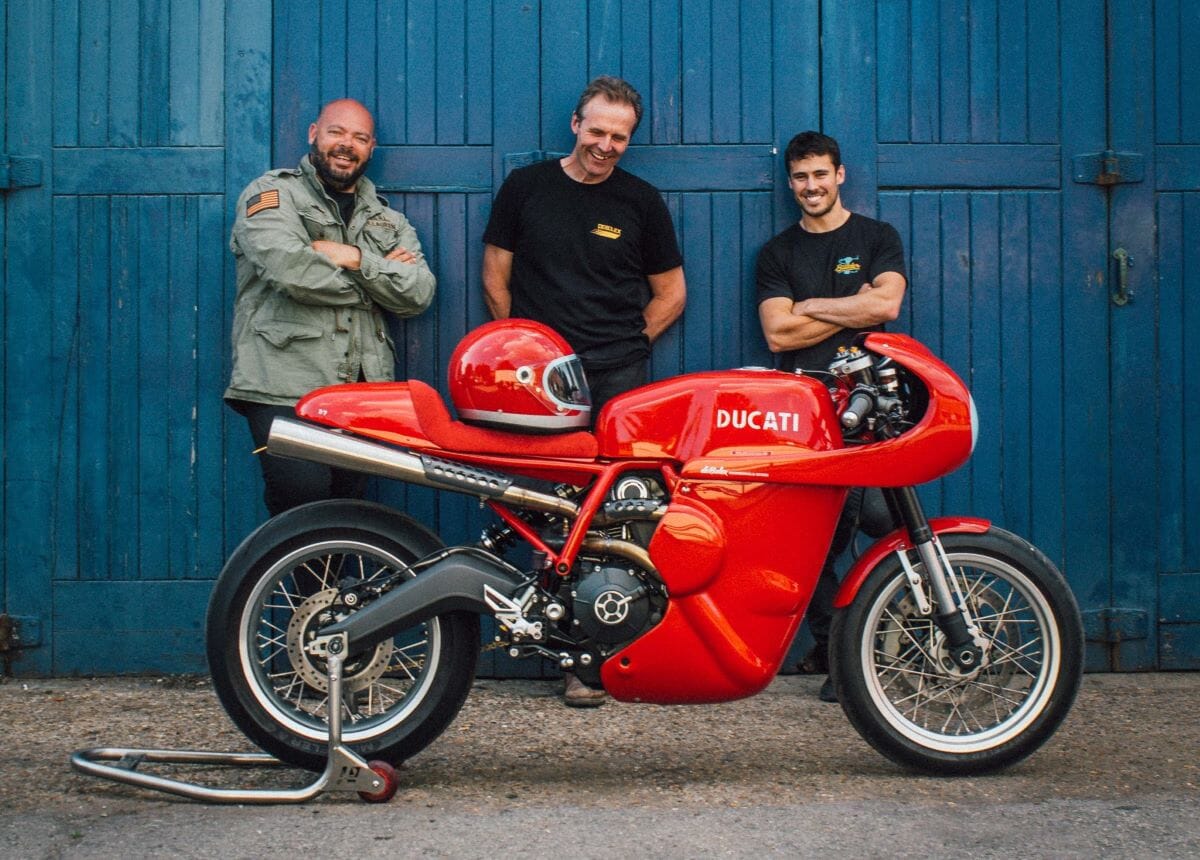
From a workshop in rural Kent, Calum Pryce-Tidd and his small team have built a reputation that stretches from London to Los Angeles — one painstakingly hand-shaped panel at a time.
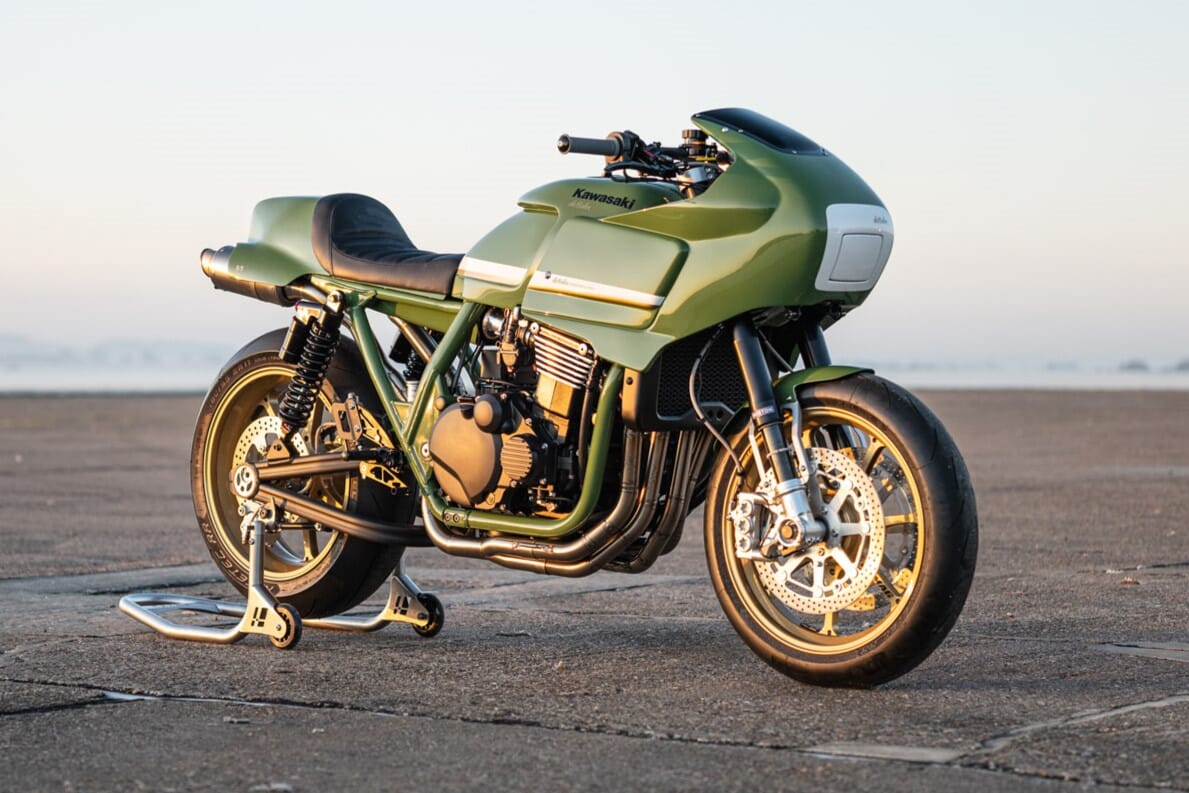
If you spend any time scrolling through custom motorcycles on social media, you've almost certainly come across a deBolex build. Impossibly clean aluminium bodywork. Flowing, purposeful lines. The sense that every component has been considered twice and then considered again. Once you've seen it, you know it.
deBolex Engineering
deBolex Engineering was founded in 2012 by Calum Pryce-Tidd and is based at a small workshop on a farm near Lamberhurst in Kent. The company's ethos is deceptively simple: take the best production motorcycles available, strip them to the bare bones, and rebuild them, but better: better design, feel and finish.
The inspiration, as Calum describes it, comes from the motor racing workshops of the 1950s and '60s, where engineers would strip heavy steel bodies from saloon and sports cars and replace them with lightweight aluminium alternatives, improving both performance and aesthetics in one stroke. Some of the most iconic machines in racing history were born from that philosophy, and it's a tradition deBolex has carried forward into the world of motorcycles.
The process at deBolex begins with hand-shaping aluminium. Panels are formed by hand using traditional metalworking techniques (the kind of skills that are increasingly rare) before the design is captured and, where a series is being produced, replicated in carbon fibre — a blend of old craft and modern technology that gives every deBolex machine a unique look and feel.
In the workshop, Calum works alongside a small, close-knit team whose approach he summarises with a phrase that appears on the deBolex website: 'There is only one way, and that's the right way.' It's not a slogan so much as a working philosophy. Everything — the design, the fabrication, the carbon fibre work, the paint, and the seat trimming — is carried out in-house.
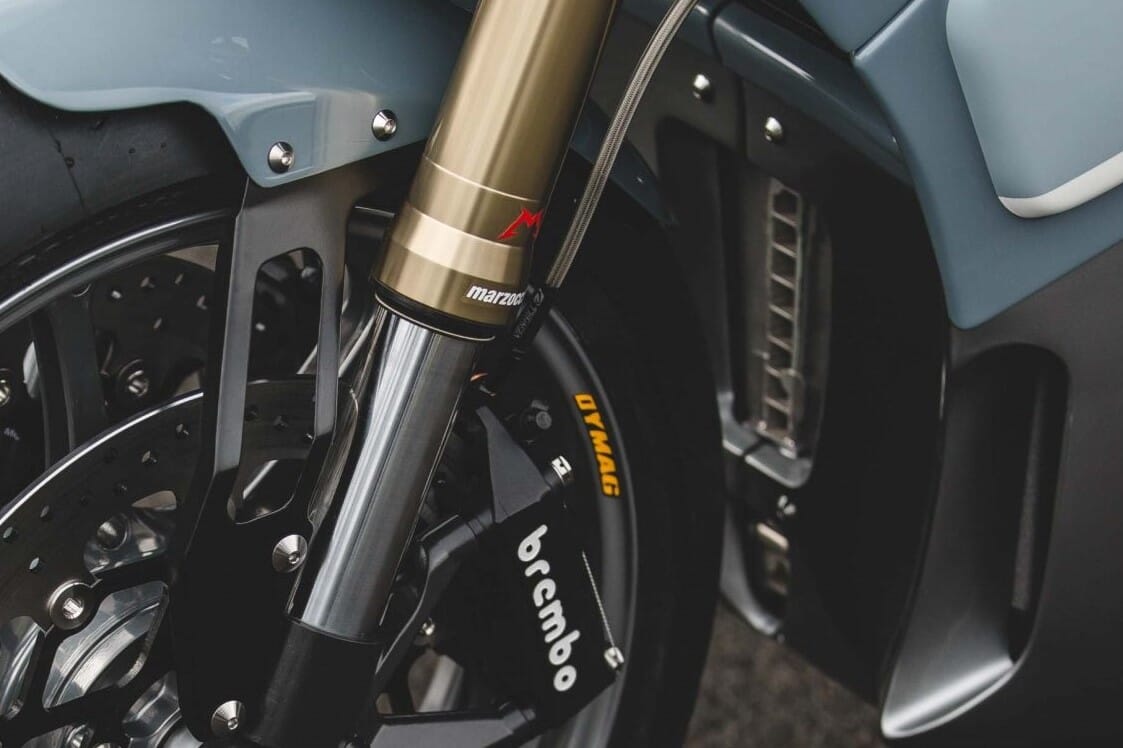
That same philosophy extends to every component that goes onto a deBolex machine. For cables and hydraulic lines, the team specifies Venhill as standard. It's a detail that most observers will never consciously notice — which, at deBolex, is rather the point. "When you're building a motorcycle to this level, the control feel has to match the rest of the bike. Venhill's Featherlight cables and braided brake lines give a quality of action that you notice immediately — and they look the part too. On a build where everything has been considered, you can't have a weak link in the controls." Calum said.
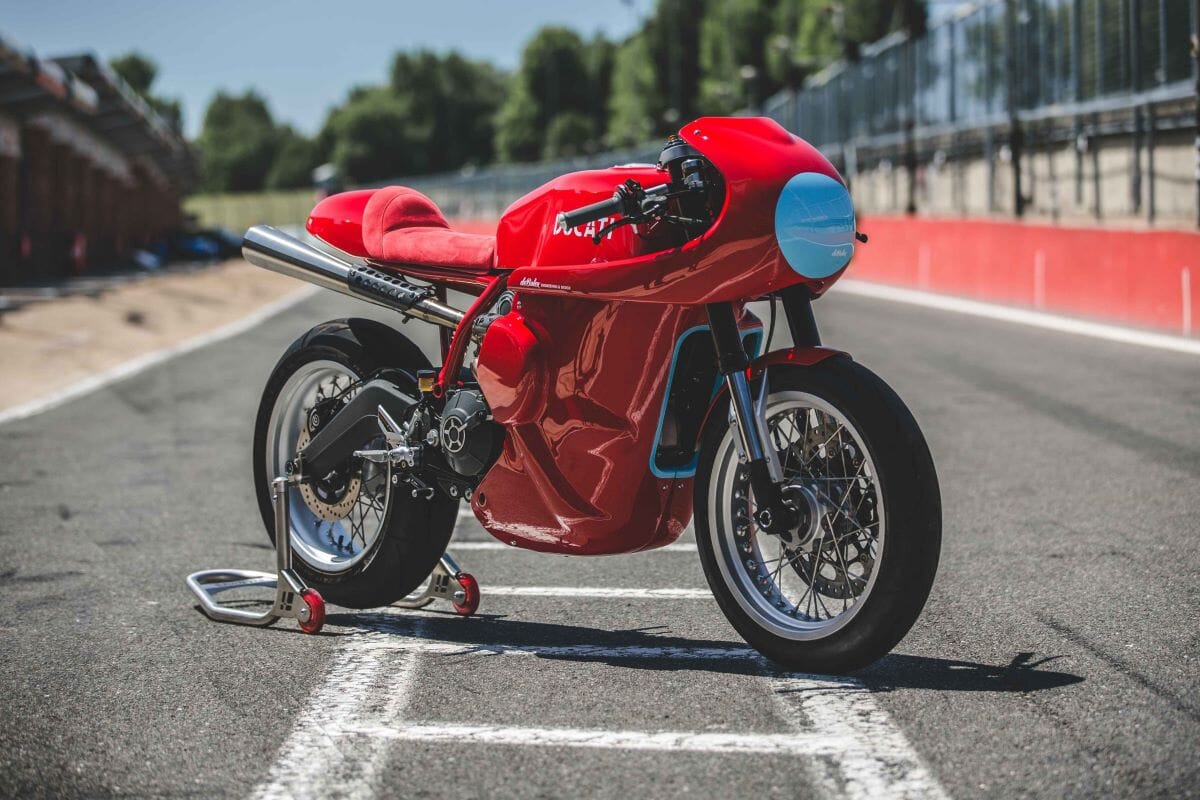
Over the course of the workshop's first decade, deBolex has built one-of-one motorcycles for clients around the world. A Triumph Thruxton R for Prince Mateen of Brunei, a Buell XB9 for an American collector, a Ducati 1100 commissioned by Ducati UK themselves, and an Energica Eva, one of their first forays into electric, built for the 2019 cinema documentary Oil in the Blood, which charted the global custom motorcycle scene and featured deBolex as one of its subjects.
The Team Behind the Scenes
With a decade of one-off builds behind them and a skills base that had grown significantly, Calum and the team then turned their attention to a more accessible proposition: the dB25. Based on the Ducati Monster 1200, the dB25 is a limited series of just 25 motorcycles, each built to individual customer specification. Every bike features over 100 new components, including a bespoke aluminium rear subframe, a polymer fuel cell (with a carbon fibre outer skin), 21 carbon fibre panels, 60 laser-cut steel and aluminium parts, and 22 further CNC machined components. Virtually everything you can see is new; the frame and the magnificent 1,198cc Testastretta engine are among the very few parts that remain.
Most recently, deBolex turned their attention to one of the most legendary names in motorcycle history: the Vincent Black Shadow. The original ran from 1948 to 1955, and held the title of fastest production motorcycle in the world until 1973. For their reimagining, the team sourced the correct engine cases and a logbook, then largely started from scratch. Godet Motorcycles developed the engine, incorporating electric start and a custom breathing system, while deBolex fabricated their own interpretation of the iconic oil-in-frame layout, redesigning the geometry to get the bike riding precisely as they wanted.
You can find out more about deBolex Engineering and explore their current and previous builds at: debolex.co.uk
Custom Motorbike Builds
- [email protected]
- +44 (0) 1306 885111
- Venhill, 21 Ranmore Rd Dorking, Surrey, South East England, RH4 1HE, GB,